Kidney Stone Treatment in Lucknow: Symptoms, Causes & Laser Surgery Options
The Reality of Kidney Stone Pain in Lucknow
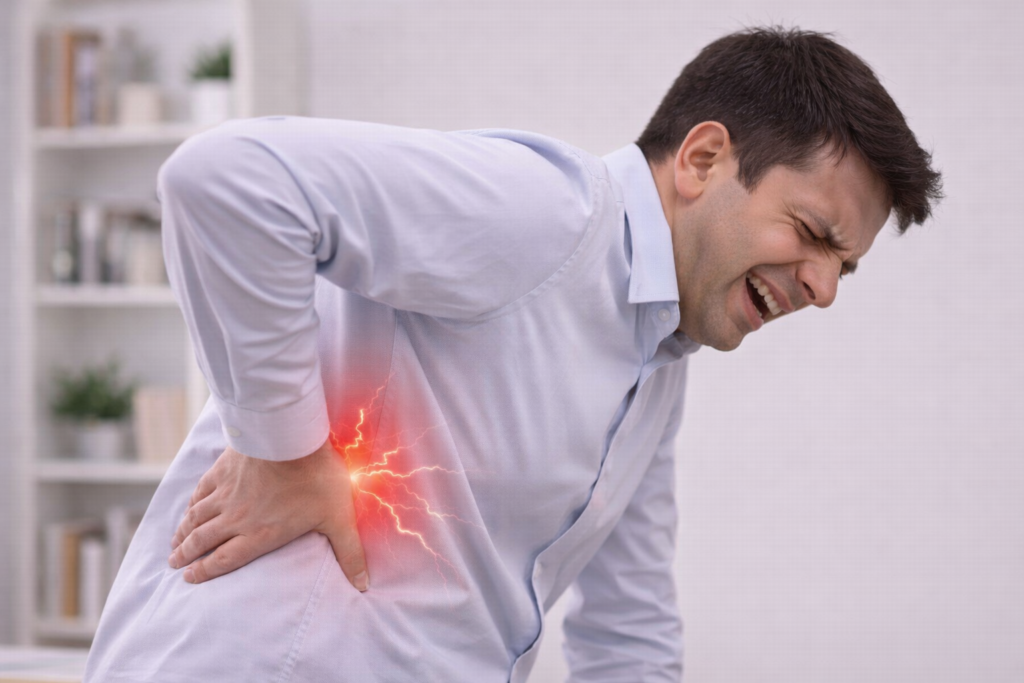
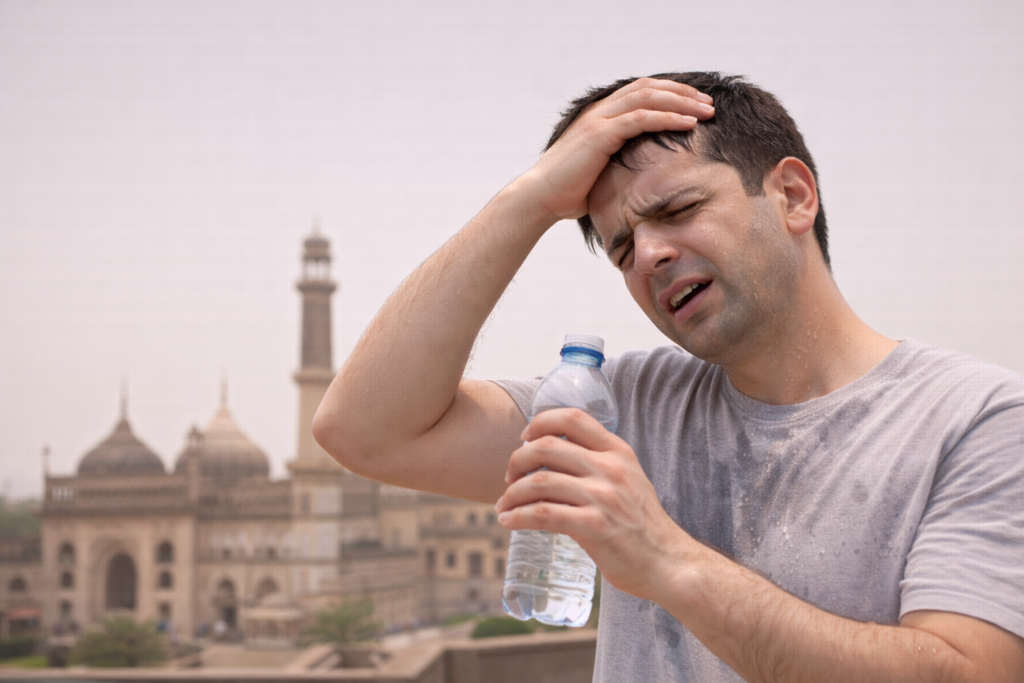
If you’re reading this, chances are you—or someone you love—is experiencing a level of pain that’s hard to put into words. In a city like Lucknow, where the heat can be unforgiving and the food is rich, kidney stones are a silent epidemic. It’s a journey that usually starts with a “twinge” in the back and ends with a frantic search for relief.
The good news? You’ve caught this at the right time. Kidney stone treatment in Lucknow has evolved. We have moved away from the “big cut” surgeries of the past and into a world of precision laser care. This guide is your roadmap to understanding what’s happening and how to fix it without putting your life on hold.
What Exactly Are Kidney Stones?
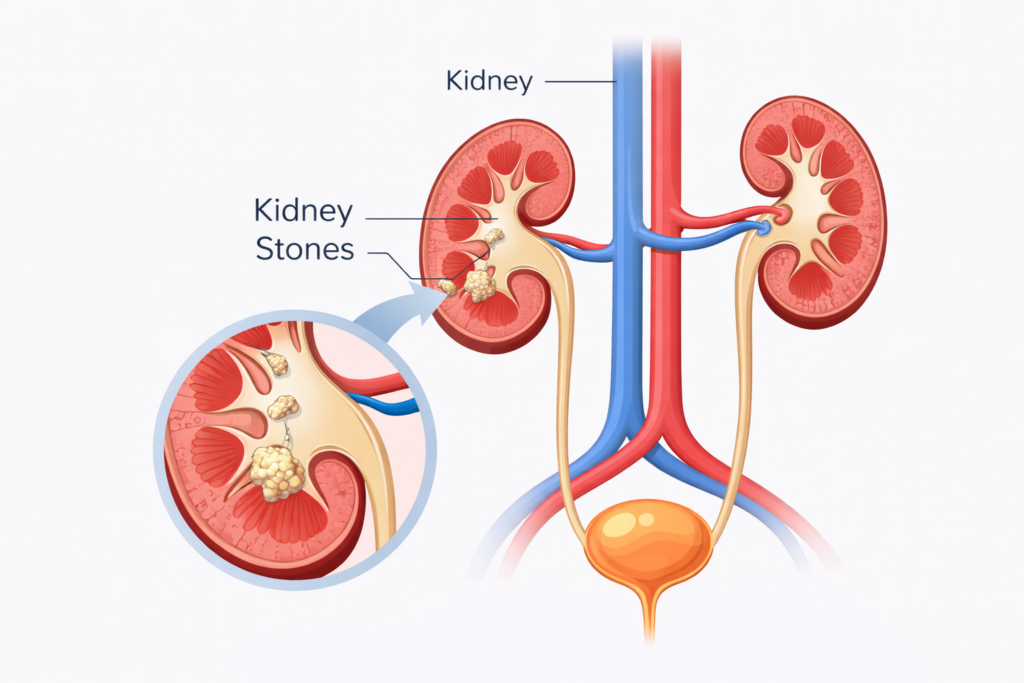
Think of your kidneys as your body’s internal filtration system. Their job is to clean your blood and turn waste into urine. However, when your urine has too many minerals (like calcium or oxalate) and not enough liquid to dilute them, these minerals start to stick together.
- The Crystals: They start as tiny crystals, almost like grains of sugar.
- The Growth: Over time, they clump together to form “stones.”
- The Trouble: As long as they sit quietly in the kidney, they don’t hurt. The pain starts the moment they try to exit through the narrow tubes of your urinary tract.
Symptoms: How to Know It’s a Stone
Kidney stone pain is often called “the great mimicker” because it can feel like a back strain or a stomach bug at first. But soon, it becomes unmistakable.
Watch for these key signs:
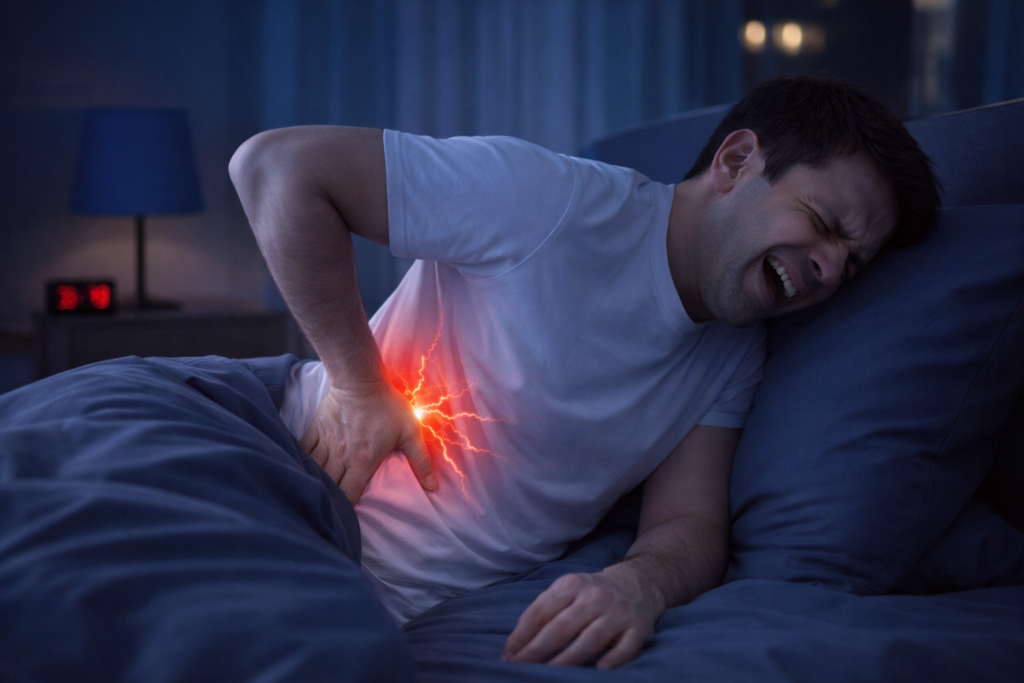
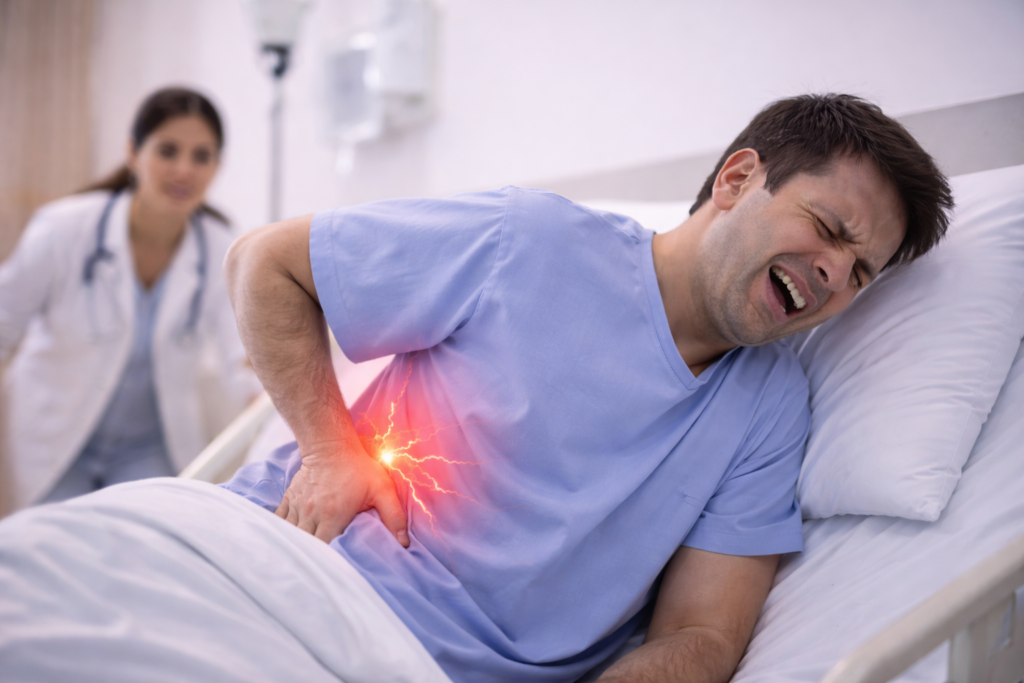
- The “Renal Colic”: Intense, stabbing pain in your back or side, just below the ribs.
- Radiating Pain: The discomfort moves down into your lower abdomen and groin.
- Urinary Changes: A constant urge to go, but very little comes out.
- The “Burn”: A stinging sensation during urination.
- Visible Blood: Urine that looks pink, red, or even tea-colored.
- Physical Distress: Nausea, vomiting, and even cold sweats due to the intensity of the pain.
Why Do They Form? (The Lucknow Lifestyle)
Why is Lucknow such a hotspot for kidney stones? It’s usually a combination of our environment and our habits:
- Dehydration: Our long, scorching summers cause us to lose fluids through sweat. If you aren’t drinking 3 liters of water daily, your urine becomes a concentrated “soup” of minerals.
- The “Salty” Diet: Our love for kebabs, pickles, and spicy street food means high sodium intake. Salt forces your kidneys to excrete more calcium into your urine.
- The Protein Load: High intake of animal protein can increase uric acid levels, another building block for stones.
- Genetics: If your parents had stones, your kidneys might naturally be more prone to crystallization.
The Hidden Impact of Lifestyle
It’s not just about what you eat, but how you live. Modern life in Lucknow often involves long hours sitting at a desk or in traffic.
- Sedentary Habits: Lack of movement can slow down your metabolism, making it harder for your kidneys to flush out waste.
- Health Links: Conditions like high blood pressure, diabetes, and obesity are closely linked to stone formation.
- The “Oxalate” Culprits: Overindulging in “healthy” foods like spinach, nuts, or chocolate can actually be a trigger if your body is prone to calcium-oxalate stones.
When the “Wait and See” Approach Becomes Risky
We’ve all heard of “home remedies” to pass stones. While small stones (under 5mm) can pass with water and time, ignoring a large stone is dangerous.
You need immediate help if:
- The pain is unmanageable: You can’t sit, stand, or find any relief.
- Fever & Chills: This is a sign of a life-threatening kidney infection.
- No Urine Flow: This means a complete blockage, which can cause permanent kidney damage within days.
- Persistent Vomiting: If you can’t keep down fluids, your body will dehydrate, making the stone even harder to pass.
Modern Diagnosis: No More Guesswork
To fix the problem, we first have to “map” the stone. When you visit Dr. Abhishek, we use the latest technology to get a 3D view of your internal health.
- Ultrasound: A quick, painless way to see the stone’s general location.
- Low-Dose CT Scan: The “Gold Standard.” It tells us the exact size, hardness, and location of the stone.
- Urinalysis: We check for signs of infection or blood that the naked eye can’t see.
- Blood Tests: To check how well your kidneys are currently functioning.
Treatment Options: Medicine vs. Surgery
Not every stone needs a laser. We categorize treatment based on what’s best for your body:
The Conservative Path (For Small Stones):
- Medical Expulsive Therapy: Specific meds to relax the ureter so the stone slides out.
- Hydration Therapy: Flooding the system to “flush” the stone.
- Pain Management: Keeping you comfortable while your body does the work.
The Advanced Path (For Larger Stones):
- If the stone is too big to pass, we move to Laser Kidney Stone Surgery, the most successful treatment available in Lucknow today.
What is Laser Kidney Stone Surgery (RIRS/URS)?
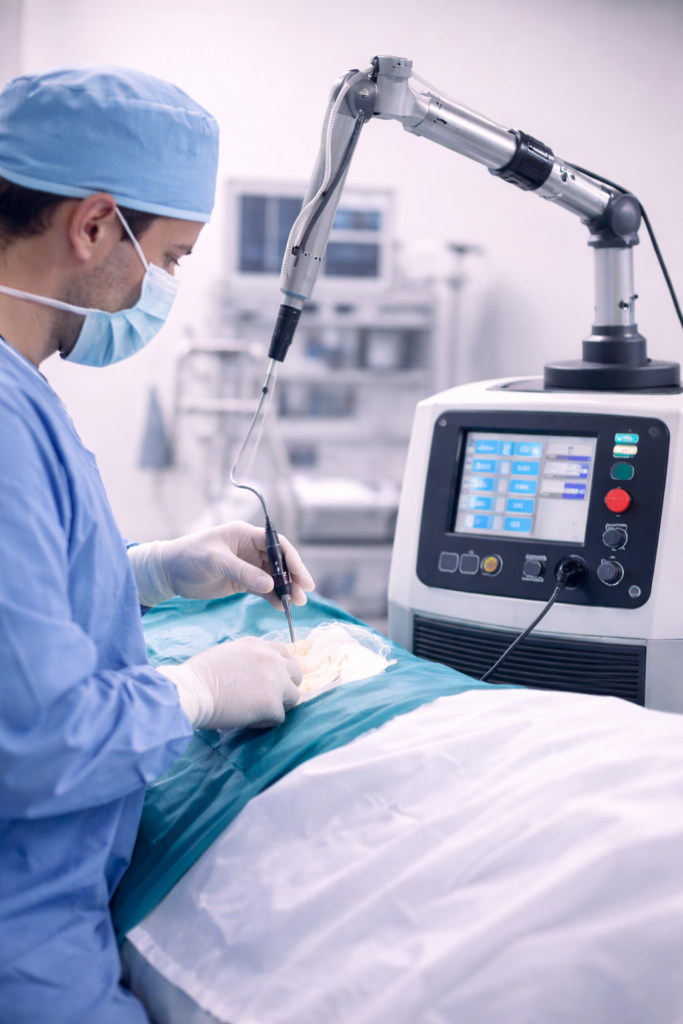
This is where technology feels like magic. There are no cuts, no stitches, and no scars.
How it works:
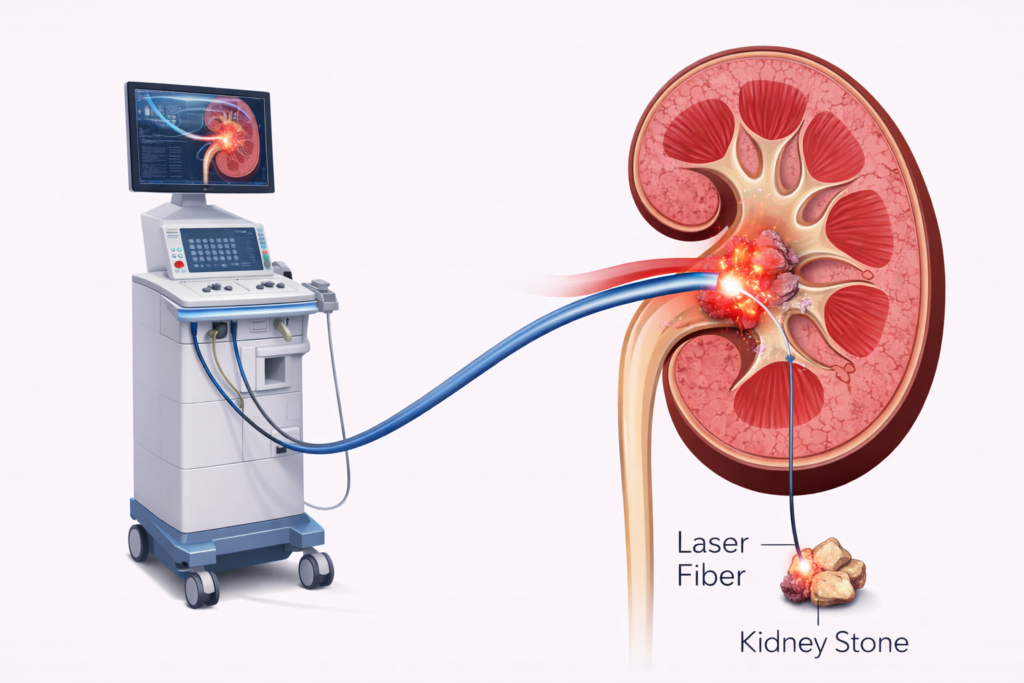
- Entry: While you are under anesthesia, a tiny, flexible scope is passed through the body’s natural urinary opening.
- Location: The doctor navigates to the stone’s exact hiding spot.
- The Laser: A hair-thin laser fiber zaps the stone, shattering it into fine “dust” or small fragments.
- Clearance: The fragments are either “basketed” out or washed away.
Why Laser is the Preferred Choice
Why do we recommend laser surgery for kidney stone treatment in Lucknow over older methods like “open surgery” or “lithotripsy”?
- High Success Rate: It works on even the hardest stones that other methods can’t break.
- Safety First: Minimal risk of bleeding or infection compared to traditional surgery.
- Speed: The procedure is usually completed in under an hour.
- Zero Scarring: Since we use natural passages, there is nothing to heal on the outside.
- Versatility: The laser can reach stones in corners of the kidney that other tools simply can’t find.
Your Recovery Roadmap
What happens after the laser does its job? The recovery is surprisingly fast.
- The First 24 Hours: You might spend one night in the hospital. You’ll be encouraged to walk and drink water immediately.
- The “Stent”: Often, a tiny internal tube is left for a few days to keep the ureter open while it heals. You won’t even feel it most of the time.
- The Return to Work: Most patients are back at their desks in 3 to 4 days.
- The Follow-Up: We analyze your stone’s chemistry to create a “Prevention Plan” so you never have to go through this again.
Why Choose Dr. Abhishek for Treatment in Lucknow?
When you are in pain, you don’t just want a doctor; you want a partner who understands your urgency. Dr. Abhishek is a specialist in minimally invasive laser urology, known for:
- Precision Technology: Using the latest Holmium Laser systems.
- Patient-First Care: We explain every step so you feel in control of your health.
- Holistic Approach: We don’t just remove the stone; we help you change your lifestyle to prevent future ones.
- Proven Results: Hundreds of patients in Lucknow are now living stone-free lives thanks to our advanced protocols.
Final Thoughts:
Kidney stone pain is temporary, but your kidney health is forever. Don’t wait for a small stone to become a big emergency.
👉 Ready for relief? Book a consultation with Dr. Abhishek today and take the first step toward a stone-free future in Lucknow.
Frequently Asked Questions (FAQs)
1. Can kidney stones pass on their own?
Yes, small stones may pass naturally.
2. Is laser surgery safe?
Yes, it is minimally invasive and safe.
3. How long does recovery take?
Usually a few days to a week.
4. Can kidney stones come back?
Yes, but prevention can reduce risk.
5. When is surgery required?
For large or painful stones that do not pass naturally.